HCH Releases Technical Guide: Fiber Connector Types Explained – LC, SC, MPO & More
author: Jane
2026-03-06
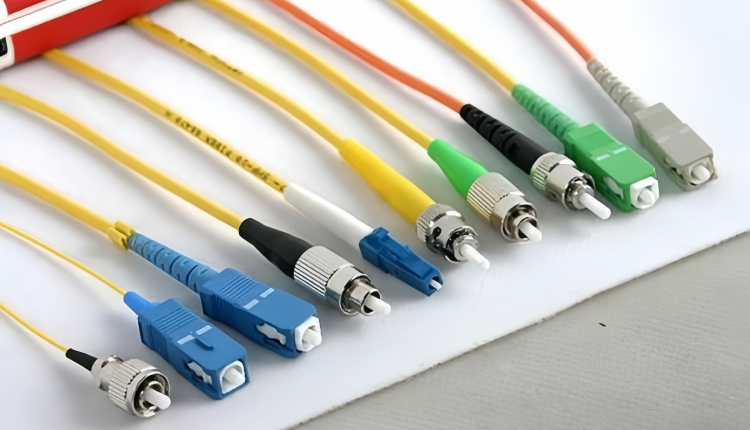
HCH, a professional provider of optical modules and fiber optic connectivity solutions, has recently published a technical guide to help customers better understand different fiber connector types and select the right components for their network systems.The company aims to offer clear, practical knowledge for global users building or upgrading data centers and communication networks.
Why Connector Types Matter
The connector is the part that plugs into your optical module, switch, or patch panel. Using the wrong type means it simply won't fit—like trying to plug a European plug into a US outlet.
1. LC Connector – The Small One
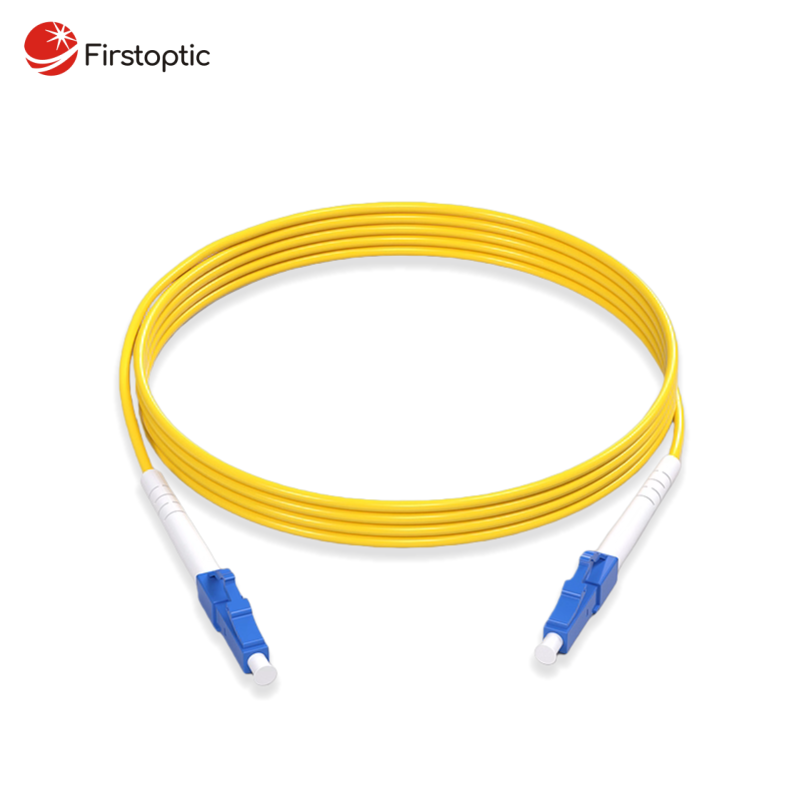
What it looks like: About half the size of SC, with a latch tip that resembles a phone jack. Usually comes as a duplex (two fibers together) for optical modules.
Where you'll find it:
- SFP, SFP+, QSFP optical modules
- Data center patch panels
- Modern network equipment
Best for: High-density environments where space is tight. LC is the most common connector on optical modules today.
2. SC Connector – The Square One
What it looks like: Square-shaped, larger than LC, with a push-pull snap mechanism. Also typically used in duplex pairs.
Where you'll find it:
- Older network equipment
- Telecom applications
- Media converters
- Cable TV networks
Best for: Applications where connectors need to withstand frequent plugging/unplugging. SC's sturdy design makes it reliable for long-term use.
3. MPO/MTP Connector – The Multi-Fiber One
What it looks like: A rectangular connector that holds multiple fibers (usually 8, 12, or 24) in a single ferrule. Larger than LC or SC.
Where you'll find it:
- High-speed data centers (40G/100G/400G)
- Parallel optics applications
- Fiber trunk cabling
Best for: Saving space when you need many fibers in one cable. One MPO can replace multiple LC or SC pairs.
4. FC Connector – The Screw-On One
What it looks like: Round with a threaded metal collar that screws into place.
Where you'll find it:
- Test equipment
- Old telecom installations
- Some industrial applications
Best for: Vibration-prone environments where you don't want connectors to pull loose. Less common in modern networking.
5. ST Connector – The Twist-On One
What it looks like: Round with a bayonet-style twist lock (like a camera lens).
Where you'll find it:
- Older building networks
- Educational institutions with legacy gear
- Military applications
Best for: Basically legacy systems. New installations rarely use ST.
Quick Comparison Table
| Connector | Size | Common Use | Looks Like |
| LC | Small | Optical modules, data centers | Tiny square with latch |
| SC | Medium | Telecom, media converters | Larger square, snap-in |
| MPO | Large | High-speed data centers | Wide rectangle, multi-fiber |
| FC | Medium | Test gear, old equipment | Round with screw threads |
| ST | Medium | Legacy networks | Round with twist lock |
Which One Should You Use?
For new network builds: Stick with LC. It's what most modern optical modules use.For data center high-speed links: MPO is your friend for 40G and above.For connecting to existing gear: Check what ports your equipment has, then match accordingly.
HCH Provides Full Connectivity SolutionsAs a professional supplier, HCH offers a complete range of fiber optic patch cords and optical modules with all standard connector types, including LC, SC, MPO, and more.
Customers who need further support can send a photo of their equipment ports to HCH’s professional team for free identification and selection advice.
Fiber Patch Cable Troubleshooting: When It's Not the Module
Four ways to use SFP+ optical modules with switches
Related Article

Understand Forward Error Correction (FEC), common Ethernet FEC modes, and how to troubleshoot FEC-related link failures in 100G, 200G, and 400G optical networks.
What Is FEC in Optical Networking, and Why Does It Matter?

Learn where 200G QSFP56 optical transceivers are used, from data center switch connections and HPC networks to 100G upgrades, with practical guidance on fiber selection and compatibility.
200G QSFP56 Optical Transceivers: Where Are They Used?