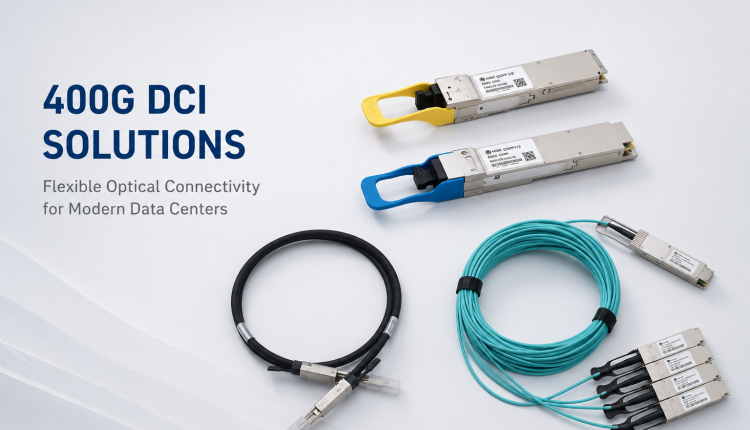
HCH Expands 400G and 800G Optical Module Portfolio to Support AI Data Center Growth
author: Jane
2026-06-18
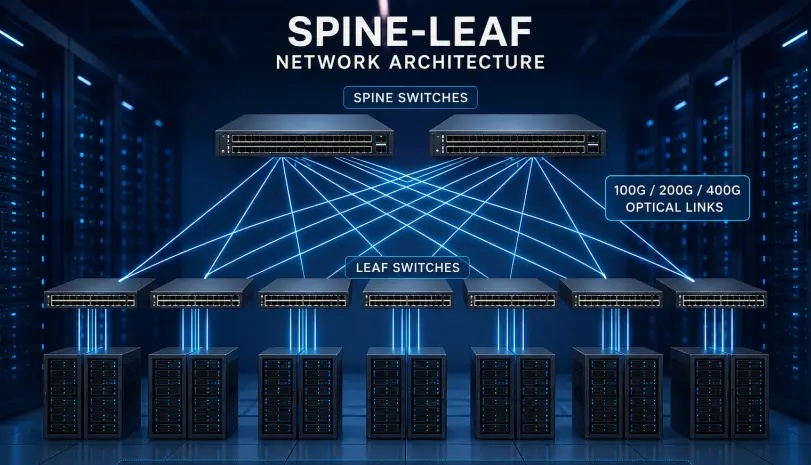
As AI computing, cloud infrastructure, and high-performance networking continue to evolve, demand for higher-speed optical connectivity is growing rapidly across global data centers.
To address these requirements, HCH has expanded its portfolio of 400G and 800G optical modules, providing customers with more options for AI networking, cloud data center deployments, and high-density network architectures.
The expanded product portfolio includes multiple form factors such as QSFP-DD and OSFP, supporting a wide range of transmission distances and deployment scenarios. These solutions are designed to help customers build scalable and reliable networks while preparing for future bandwidth growth.
"AI infrastructure is accelerating the adoption of 400G and 800G optical technologies worldwide," said the HCH Product Team. "By expanding our product portfolio, we aim to provide customers with flexible, high-performance optical connectivity solutions that support both current and future networking requirements."
In addition to optical transceivers, HCH also provides AOC, DAC, MPO fiber cabling, and related optical networking products to support complete end-to-end connectivity solutions.
For more information about HCH's 400G and 800G optical networking solutions, please explore our product portfolio or contact our team for technical assistance.

HCH Enhances High-Speed Optical Module Testing Capabilities
How to Choose the Right Fiber Patch Cord for Your Network
Related Article
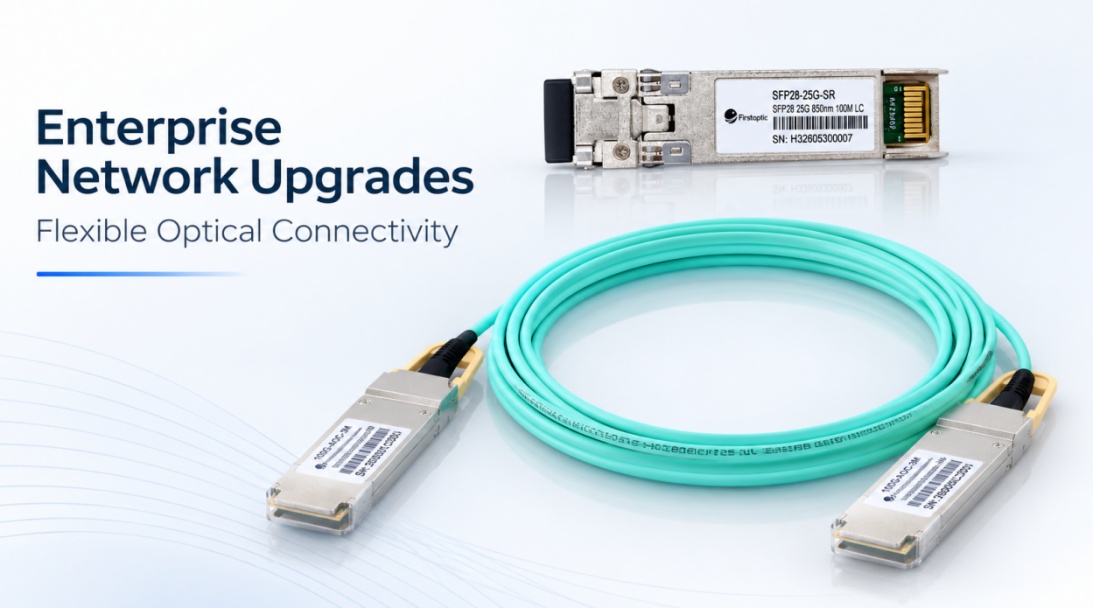
HCH provides flexible optical connectivity solutions to support enterprise network upgrades, including SFP, SFP28, QSFP28, AOC, and DAC solutions for different network requirements.
HCH Supports Enterprise Network Upgrades with Flexible Optical Connectivity Solutions
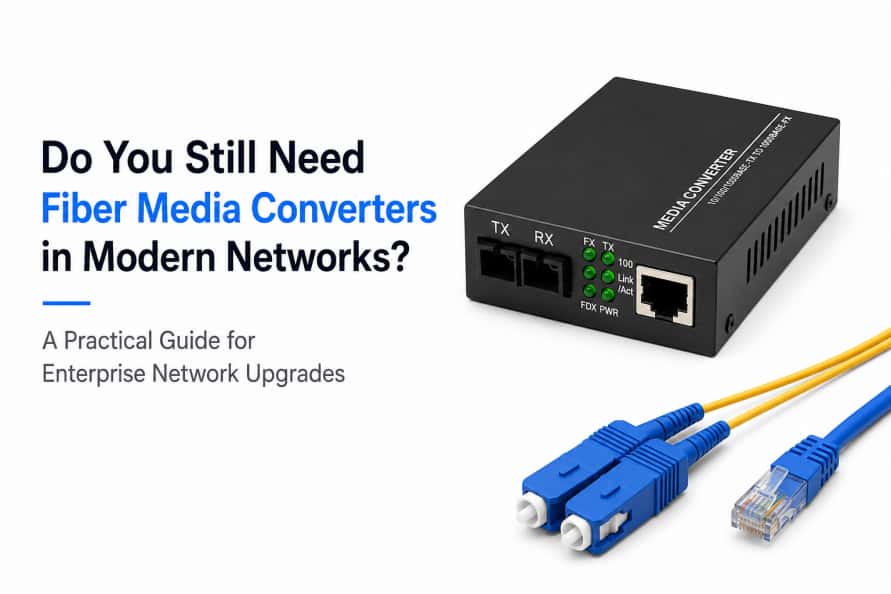
Learn why fiber media converters are still widely used in modern networks, when they are the right choice, and how they compare with fiber switches.
Do You Still Need Fiber Media Converters in Modern Networks?