Genuine vs. Used Optical Transceivers: A Rational Choice for Procurement
author: Jane
2026-03-21
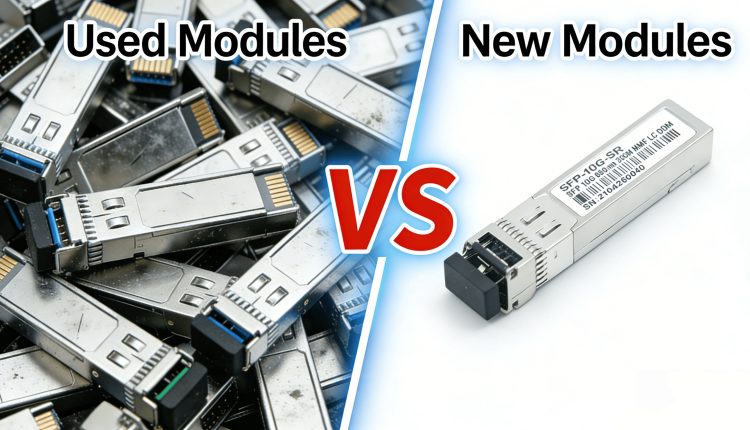
Used optical transceivers are not new to the market. With prices 60%-80% lower than genuine ones, they have long been an option for certain scenarios—short-term testing, temporary backup, low-cost emergency response. But when it comes to core business operations, the choice between "genuine" and "used" requires a full picture, not just the upfront price.
HCH provides a side-by-side comparison across four key dimensions—performance, cost, warranty, and lifespan—to help customers make informed decisions.
Where Do Used Modules Come From?
Used modules primarily come from three sources:
-
Decommissioned equipment from data center upgrades
-
Surplus stock from completed operator projects
-
Recycled inventory from closed manufacturers
For non-critical scenarios, they can be a viable option. But for core networks and AI data centers, the differences matter.
1. Performance Stability
| Genuine | Used |
| Failure Rate: 0.1-0.3% | Failure Rate: 3-5% |
| Key Risk: None | Key Risk: Signal interruption, data loss |
| Suitable For: AI data centers, core networks | Suitable For: Testing, non-critical backup |
Genuine modules use brand-new components and undergo full factory testing. Used modules often suffer from component aging and optical power attenuation—issues that directly impact business continuity.
2. True Cost (Upfront vs. Long-Term)
| Genuine | Used |
| Upfront Cost: Higher | Upfront Cost: 60%-80% lower |
| Hidden Costs: None | Hidden Costs: Failures, repairs, downtime |
| Long-Term Value: Higher | Long-Term Value: Often negative |
The lower upfront price of used modules is often offset by hidden costs—unexpected failures, troubleshooting hours, and business interruption losses. In many cases, the initial "savings" disappear within months.
3. Warranty & Technical Support
| Genuine | Used |
| Warranty: 1-3 years (HCH official) | Warranty: None, or short-term channel promise |
| Technical Support: 24/7 full lifecycle | Technical Support: None |
Genuine modules come with full manufacturer support—from selection to deployment to troubleshooting. Used modules leave you on your own when problems arise.
4. Lifespan
| Genuine | Used |
| Typical Lifespan: 5-8 years | Typical Lifespan: 1-3 years |
| Degradation: Stable over time | Degradation: Rapid after 1-2 years |
Used modules have already endured years of operation. Even if they work today, performance drops quickly, requiring frequent replacement—adding to both cost and operational hassle.
The Bottom Line
Optical transceivers are the backbone of network infrastructure. Short-term savings should not come at the expense of long-term reliability.
HCH supplies only genuine, brand-new transceivers, backed by full warranty and 24/7 technical support. With a strict quality control system and a perfect supply chain, HCH ensures every genuine module meets industry standards. We help customers make procurement decisions based on total cost of ownership—not just the price tag.
HCH Releases Technical Guide: Fiber Connector Types Explained – LC, SC, MPO & More
Optical Modules: Original vs. Compatible – A Cost-Effective Selection Guide
Related Article
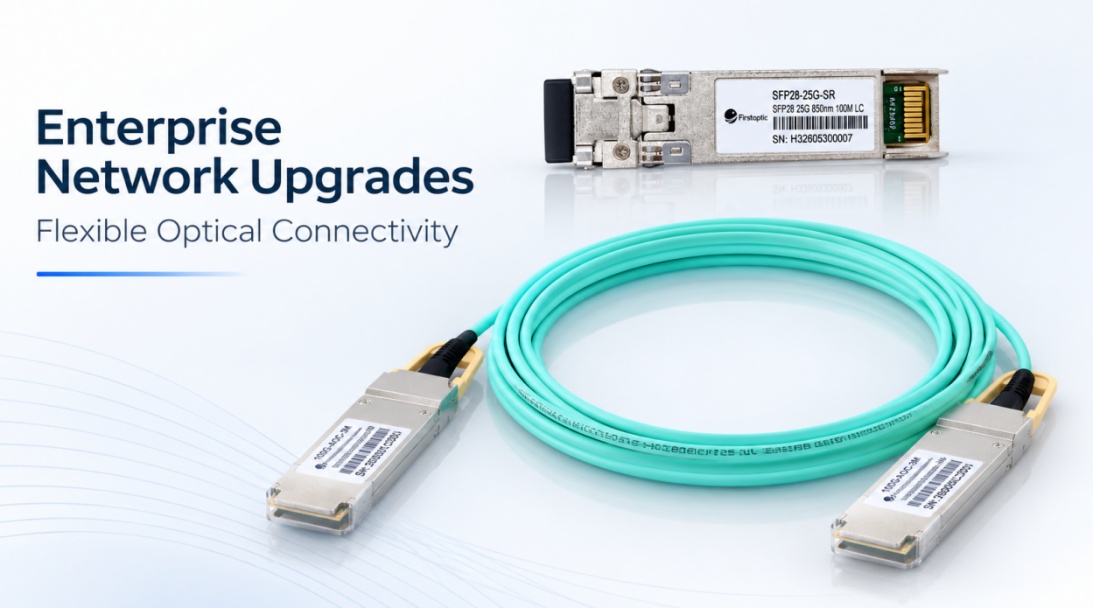
HCH provides flexible optical connectivity solutions to support enterprise network upgrades, including SFP, SFP28, QSFP28, AOC, and DAC solutions for different network requirements.
HCH Supports Enterprise Network Upgrades with Flexible Optical Connectivity Solutions
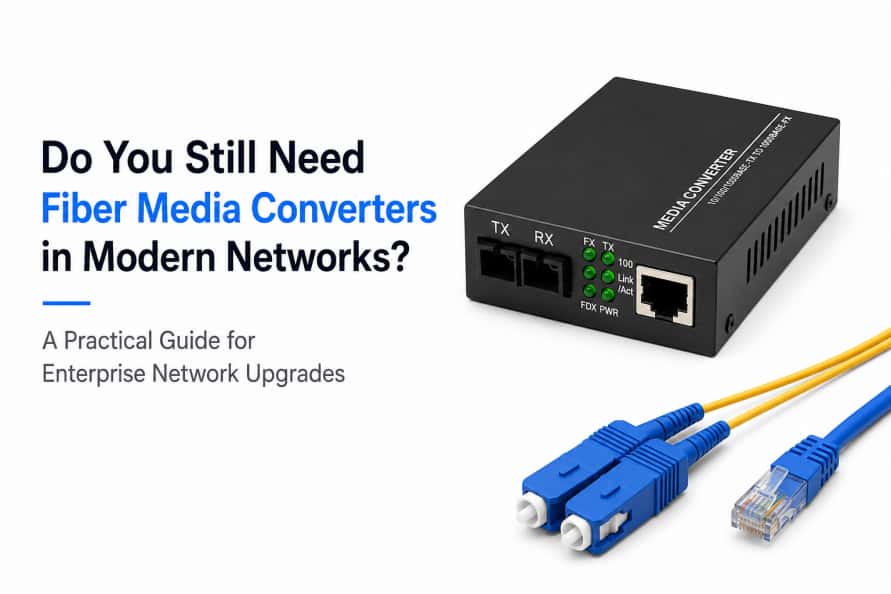
Learn why fiber media converters are still widely used in modern networks, when they are the right choice, and how they compare with fiber switches.
Do You Still Need Fiber Media Converters in Modern Networks?